

Are you comfortable in the spotlight? Do you want your work to make a positive impact in the world? Does “reporting live from the scene” sound like an adventure?
A career as a broadcast news anchor or reporter may be the dynamic and exciting job you’ve been looking for.
While no two days will ever be the same, you’ll be there to investigate, document and deliver the information that people rely on every day. You’ll research, fact-check, conduct interviews and collaborate with the team to deliver your best work.
More than a job, a career as a news anchor or reporter is a way of life. It’s definitely not a nine-to-five gig or an easy paycheck. But then, most things worth doing aren’t easy. If this thrills you, keep reading because it gets better.
A great way to get to know your local area and connect with others, broadcast media anchors and reporters are often seen as the trusted face or voice of the communities they serve.
As much as anyone in broadcasting, reporters and anchors are on the front lines as news, information and entertainment is happening.
Preparation
A degree in journalism, communications, or a related field is a great way to prepare for a career as a broadcast news anchor or reporter. There’s no substitute for experience—so be sure to take advantage of opportunities to work for a school newspaper, radio or television station.
Internships and entry-level positions will help you get a feel for the environment while developing a portfolio of your work. Be sure to stay up-to-date on current events and trends. You’ll also want to provide a highlight reel of your best clips to accompany your resume.
Also, be sure to consume news and information like crazy! Online, on TV and radio, podcasts, livestreaming, newspaper websites, magazines. Read and absorb everything you can—you never know what the next technology will bring to news-gathering and distribution!
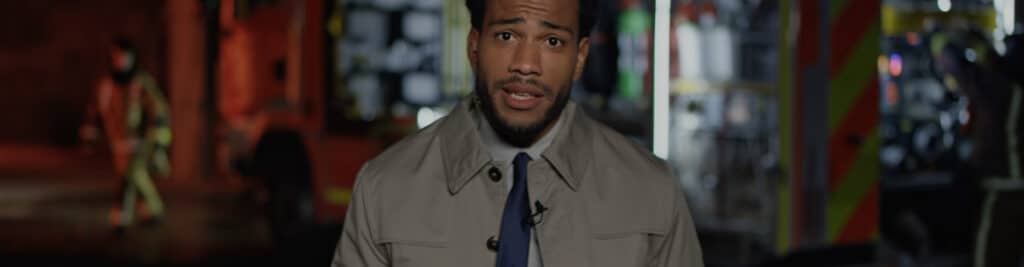
Do you have what it takes?
Your polished communication skills, quick decision making and broad knowledge about the world around you will help you deliver the news in live and recorded formats, scripted or unscripted.
Confidence is essential as you’ll maintain a professional, consistent on-air presence—even during exciting and challenging times and stories.
You’ll meet people from all walks of life, so you’ll need to be comfortable talking to people. You’re genuinely curious about them and their stories and find it easy to establish rapport with others.
Accuracy: Do you notice what others don’t? Accuracy builds trust, and you’re careful to ensure information is correct and verified. You’re also keen on grammar and can spot an error from the upper deck.
Strong Interpersonal Skills: You can talk to just about anyone and develop genuine rapport. People trust you and consider you a great listener, and are both exceedingly dependable and approachable.
Tenacity: You’re naturally curious, do your homework and ask the right questions. Tireless in your pursuit of the truth, you help your sources understand why their voice should be heard. You’re just as tenacious when it comes to quality, standards, and protecting the integrity of the newsroom.
Integrity: Careers in broadcast media require a high level of integrity. You don’t confuse truth with opinion and you respect basic journalistic principles.
Passion: From fast and furious deadlines to unpredictable hours, there’s plenty to weigh when considering broadcasting career. But when passion fuels your work, this exciting career path is well worth it.
Polished: Being appealing on camera is about charisma, confidence and raw talent. Your camera/mic presence is essential, and it doesn’t require that you look like a model or have a silky-smooth voice. But you do need to be someone that people want to watch, follow and listen to.
Are you comfortable in the spotlight? Do you want your work to make a positive impact in the world? Does “reporting live from the scene” sound like an adventure?
A career as a broadcast news anchor or reporter may be the dynamic and exciting job you’ve been looking for.
While no two days will ever be the same, you’ll be there to investigate, document and deliver the information that people rely on every day. You’ll research, fact-check, conduct interviews and collaborate with the team to deliver your best work.
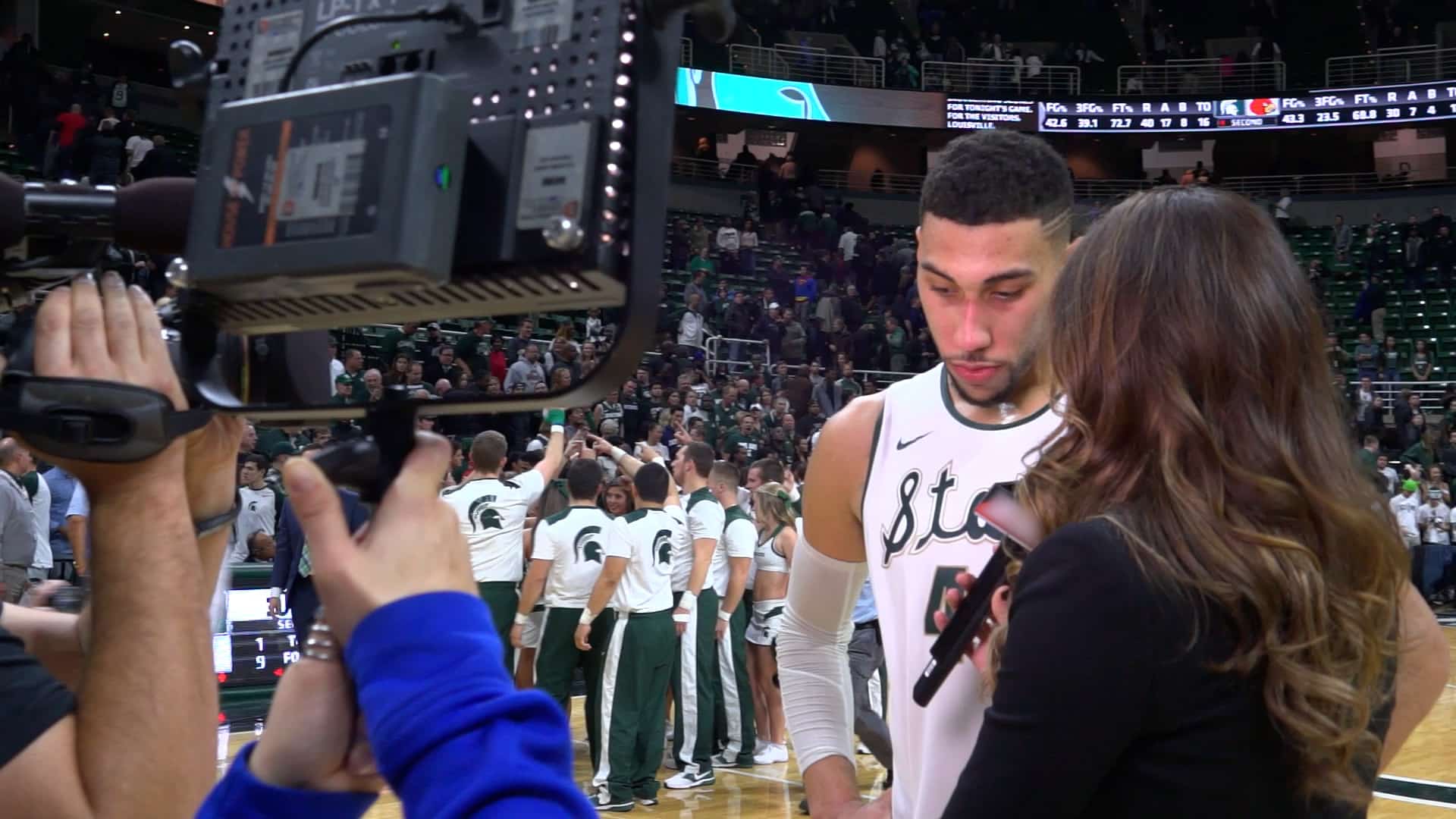
As much as anyone in broadcasting, reporters and anchors are on the front lines as news, information and entertainment is happening.
More than a job, a career as a news anchor or reporter is a way of life. It’s definitely not a nine-to-five gig or an easy paycheck. But then, most things worth doing aren’t easy. If this thrills you, keep reading because it gets better.
A great way to get to know your local area and connect with others, broadcast media anchors and reporters are often seen as the trusted face or voice of the communities they serve.
PREPARATION
A degree in journalism, communications, or a related field is a great way to prepare for a career as a broadcast news anchor or reporter. There’s no substitute for experience—so be sure to take advantage of opportunities to work for a school newspaper, radio or television station.
Internships and entry-level positions will help you get a feel for the environment while developing a portfolio of your work. Be sure to stay up-to-date on current events and trends. You’ll also want to provide a highlight reel of your best clips to accompany your resume.
Also, be sure to consume news and information like crazy! Online, on TV and radio, podcasts, livestreaming, newspaper websites, magazines. Read and absorb everything you can—you never know what the next technology will bring to news-gathering and distribution!
Do you have what it takes?
Your polished communication skills, quick decision making and broad knowledge about the world around you will help you deliver the news in live and recorded formats, scripted or unscripted.
Confidence is essential as you’ll maintain a professional, consistent on-air presence—even during exciting and challenging times and stories.
You’ll meet people from all walks of life, so you’ll need to be comfortable talking to people. You’re genuinely curious about them and their stories and find it easy to establish rapport with others.
Accuracy: Do you notice what others don’t? Accuracy builds trust, and you’re careful to ensure information is correct and verified. You’re also keen on grammar and can spot an error from the upper deck.
Strong Interpersonal Skills: You can talk to just about anyone and develop genuine rapport. People trust you and consider you a great listener, and are both exceedingly dependable and approachable.
Tenacity: You’re naturally curious, do your homework and ask the right questions. Tireless in your pursuit of the truth, you help your sources understand why their voice should be heard. You’re just as tenacious when it comes to quality, standards, and protecting the integrity of the newsroom.
Integrity: Careers in broadcast media require a high level of integrity. You don’t confuse truth with opinion and you respect basic journalistic principles.
Passion: From fast and furious deadlines to unpredictable hours, there’s plenty to weigh when considering broadcasting career. But when passion fuels your work, this exciting career path is well worth it.
Polished: Being appealing on camera is about charisma, confidence and raw talent. Your camera/mic presence is essential, and it doesn’t require that you look like a model or have a silky-smooth voice. But you do need to be someone that people want to watch, follow and listen to.

Advancement Opportunities
Reporters have many career options once they get their feet under them. Usually after about two years, you can move to a bigger market if you want to see more of the world.
With some experience, you can specialize in an area that you’re most excited about. Perhaps investigative reporting is your thrill. Maybe you’re excited to cover the legislative process and politics as part of the station’s Capitol Bureau.
If the hard-hitting news beat isn’t for you, there are other great options. Covering entertainment news, lifestyle and community, or getting into the digital world as a podcaster or livestream reporter are just a few of them. As technology changes, who knows what opportunities lie around the next corner?
Remember, many TV and radio stations are owned by bigger groups with dozens of stations to help you advance your career.
More Than Just a Job
Comradery and teamwork are a big piece of the broadcast media experience. There’s a lot going on and it takes many people with a variety of talents all working together to make the magic happen. You’ll experience much as a team. Trust one another. Lift each other up. Achieve and celebrate together.
You’ll love getting out into the community to help local nonprofits and charities in need of a platform. And, it’s a lot of fun when the community comes into the station, too. On any given day you may run into the Pet of the Week, a local sidewalk-chalk artist, a celebrity chef, or Teacher of the Year.
Of course, there are other perks of being part of the team. As part of the broadcast media family, you’ll join your colleagues at concerts and sporting events. You’ll encounter the arts. Meet interesting people. And go on new adventures.
Plus, a press pass is a beautiful thing!
Ready to find your beat?
Advancement Opportunities
Reporters have many career options once they get their feet under them. Usually after about two years, you can move to a bigger market if you want to see more of the world.
With some experience, you can specialize in an area that you’re most excited about. Perhaps investigative reporting is your thrill. Maybe you’re excited to cover the legislative process and politics as part of the station’s Capitol Bureau.
If the hard-hitting news beat isn’t for you, there are other great options. Covering entertainment news, lifestyle and community, or getting into the digital world as a podcaster or livestream reporter are just a few of them. As technology changes, who knows what opportunities lie around the next corner?
Remember, many TV and radio stations are owned by bigger groups with dozens of stations to help you advance your career.
Advancement Opportunities
Reporters have many career options once they get their feet under them. Usually after about two years, you can move to a bigger market if you want to see more of the world.
With some experience, you can specialize in an area that you’re most excited about. Perhaps investigative reporting is your thrill. Maybe you’re excited to cover the legislative process and politics as part of the station’s Capitol Bureau.
If the hard-hitting news beat isn’t for you, there are other great options. Covering entertainment news, lifestyle and community, or getting into the digital world as a podcaster or livestream reporter are just a few of them. As technology changes, who knows what opportunities lie around the next corner?
Remember, many TV and radio stations are owned by bigger groups with dozens of stations to help you advance your career.
More than just a job.
Comradery and teamwork are a big piece of the broadcast media experience. There’s a lot going on and it takes many people with a variety of talents all working together to make the magic happen. You’ll experience much as a team. Trust one another. Lift each other up. Achieve and celebrate together.
You’ll love getting out into the community to help local nonprofits and charities in need of a platform. And, it’s a lot of fun when the community comes into the station, too. On any given day you may run into the Pet of the Week, a local sidewalk-chalk artist, a celebrity chef, or Teacher of the Year.
Of course, there are other perks of being part of the team. As part of the broadcast media family, you’ll join your colleagues at concerts and sporting events. You’ll encounter the arts. Meet interesting people. And go on new adventures.
Plus, a press pass is a beautiful thing!